Two Bottles, Every Bake: Rethinking the Vanilla Aisle
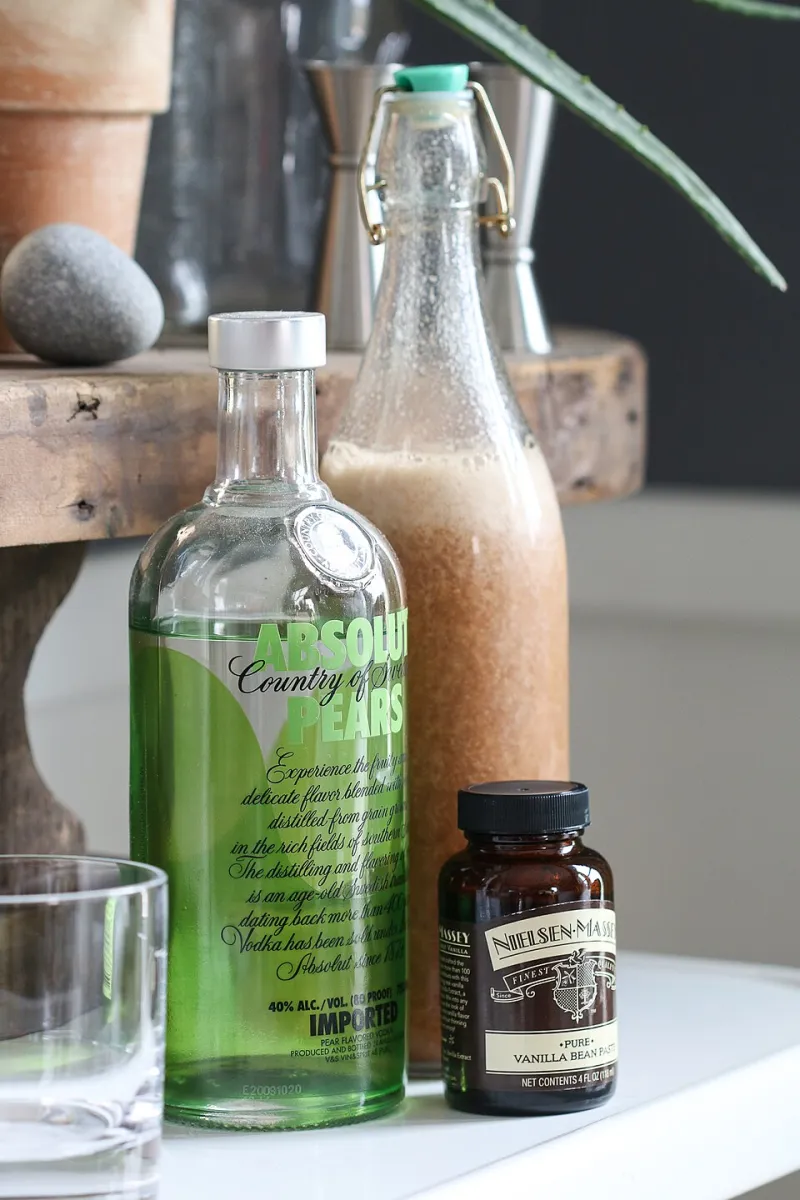
Photo: Personal Creations, CC BY 2.0, via Wikimedia Commons
Open almost any American baker's cabinet and you'll find the same archaeological record: a half-empty bottle of supermarket vanilla from three moves ago, a gift-wrapped Madagascar Bourbon someone brought back from a trip, and — if we're being honest — a Costco twin-pack bought in a panic before holiday baking season.
Vanilla is the flavor we spend the most on and think about the least. It's the first ingredient in and the last one we taste. So let's do what we do around here: pull the bottle out of the back of the shelf, put it on the counter, and actually look at it.
First, Know What You're Buying
There are really only a few vanilla origin stories that matter at the retail level:
- Madagascar Bourbon — the workhorse. Creamy, warm, almost boozy. If a recipe just says "vanilla," this is what it means.
- Tahitian — floral and fruity, with a cherry-anise thing going on. Gorgeous in cold applications: pastry cream, whipped cream, ice cream bases.
- Mexican — spicy, woodsy, a little smoky. Historically the original (vanilla is a Mexican orchid, after all), and it plays beautifully with chocolate and cinnamon.
- Ugandan and other newer origins — bold and almost raisiny. Increasingly common from American craft extract makers.
Then there's the label fine print. "Vanilla extract" is a legally defined term in the US — a minimum amount of beans per gallon of alcohol. "Vanilla flavor" or "imitation" usually means vanillin made from something that isn't an orchid. Imitation isn't a scandal in a baked-good context (vanillin survives heat just fine), but it's worth knowing what you paid for.
The Blind Taste Test You Can Do Tonight
Here's the exercise, and it takes twenty minutes: line up your bottles with a plain spoonful of store-bought vanilla pudding or a simple milk-and-sugar base. Label the bottoms, not the tops. Taste blind, then taste again after ten minutes — vanilla's top notes fade fast, and the second impression is the honest one.
What you'll likely discover: the differences are real but situational. In pudding, a Tahitian will announce itself. In a brownie, buried under cocoa and butter, most vanillas collapse into the same warm sweetness. That's not a failure of your palate — that's chemistry. High heat and fat mute delicate aromatics.
Which brings us to the actual question.
When the $40 Bottle Matters — and When It Doesn't
Worth it: anything cold or barely cooked. Whipped cream, buttercream that won't see the oven, custards, ice cream bases, shortbread where vanilla is basically the whole personality. Also worth it: anything you're selling. If someone's paying $6 for a cookie at a farmers market, the good stuff is your cheapest marketing.
Not worth it: your standard chocolate chip cookies, brownies, spice cakes, anything with molasses or coffee in it. A solid mid-priced extract does the job, and no one at the potluck will know the difference. Save the fancy bottle for when vanilla gets top billing.
One more honest note: the single biggest upgrade on the vanilla shelf isn't origin — it's freshness. Extract has a long life, but it does drift. If your bottle predates a certain global pandemic, replace it.
The Two-Bottle Shelf
After years of testing, here's the lean setup that covers basically everything an American home baker makes:
- A good all-purpose Madagascar extract — mid-priced, real extract, from a producer you can name. This does 90% of the work.
- One specialty bottle that matches how you actually bake. Chocolate-and-cinnamon people, go Mexican. Pastry-cream-and-meringue people, go Tahitian.
That's it. Two bottles, no guilt about the third one expiring behind the baking soda.
The Small-Batch Extract Makers Worth Knowing
The fun shift of the last few years: a wave of small American extract producers — often working with direct-trade cooperatives in Madagascar, Papua New Guinea, and Uganda — bottling single-origin extracts in runs you can actually buy without a wholesale account. Many are run out of small commercial kitchens in places like Ohio, Oregon, and North Carolina, and they'll tell you which farm the beans came from, the same way your local roaster talks about coffee.
The practical upside for you: single-origin extracts from small producers often cost about the same as the big-brand "premium" bottle, with far more character. Check farmers markets, specialty grocers, or search "small batch vanilla extract" plus your state. Aging your own in a mason jar with beans and bourbon is a worthy winter project too — just plan on six months and label it clearly, because it will absolutely get mistaken for a cocktail.
The Takeaway
Vanilla isn't a status purchase. It's a tool, and like any tool, the right one depends on the job. Run the blind tasting, be honest about which of your bakes actually showcase vanilla, and build a shelf that works as hard as you do.
Then go make the pudding test a party. Seriously — nobody turns down a spoon of vanilla pudding, and everyone leaves with an opinion.