Cultured, Keratin, or Just Clever Marketing? What Your Butter Choice Actually Does to a Cookie
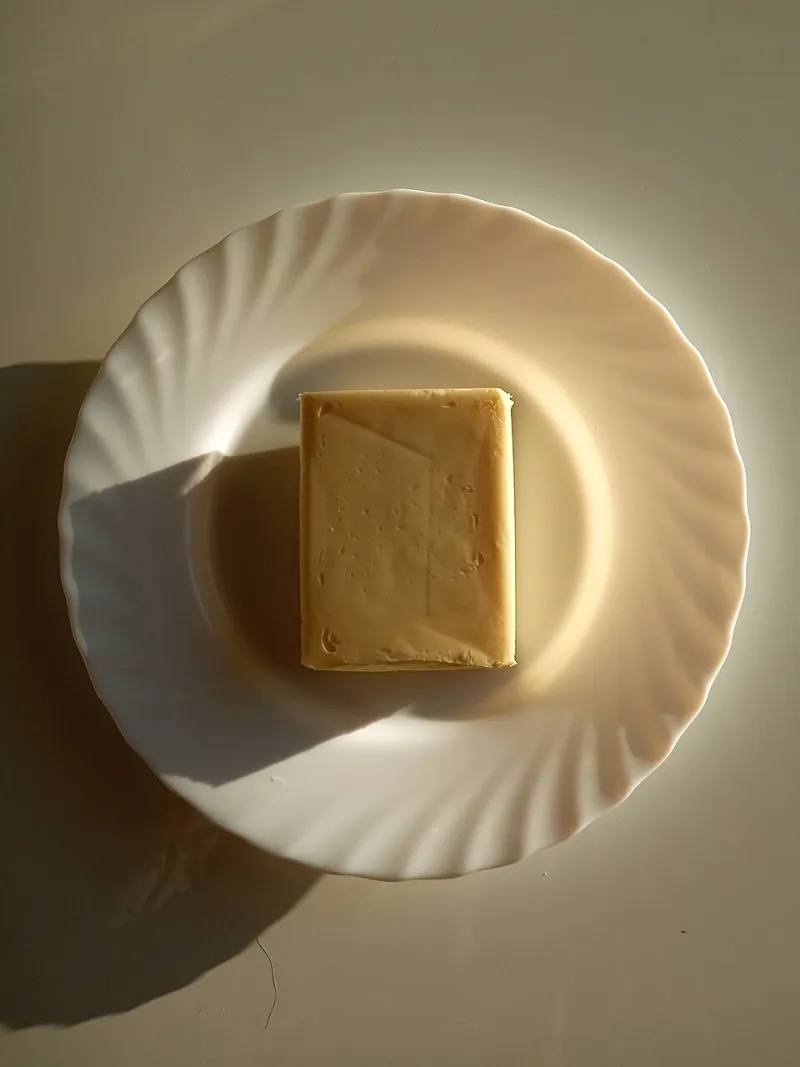
Photo: Salicyna, CC BY-SA 4.0, via Wikimedia Commons
There was a time when buying butter meant choosing between salted and unsalted. Now the dairy case looks like a wine list: European-style, cultured, grass-fed, high-fat, imported, artisanal, and priced anywhere from $3 to $12 a pound. And like any good food obsession, it eventually lands in the kitchen with a question attached — does this actually make my baking better?
We wanted a real answer, not a vibe. So we bought six butters, ranging from a generic store-brand sweet cream to a $9 imported cultured block, and baked the same three recipes with each: a chocolate chip cookie, a buttermilk-style scone, and a brioche loaf. Same flour, same oven, same baker. Here's what the crumbs told us.
First, a 90-Second Butter Decoder
Most American butter is about 80% fat, the legal minimum. European-style butter is churned to 82–85% fat, which means less water in the block. Cultured butter has been inoculated with bacteria before churning, giving it a tangy, almost cheesy depth. Grass-fed refers to the cow's diet, which shifts the fat profile and deepens the color. None of these are better across the board — they're just different tools.
That distinction between fat and water is the whole game. Butter is roughly 15–18% water, and in baking that water turns to steam, builds gluten, and affects spread. Change the water content and you change the bake.
The Cookie Test: Where the Splurge Backfires
Here's the plot twist worth the price of admission: the expensive butters made our worst cookies.
The 85% fat imported butter produced cookies that spread into thin, greasy pancakes. Why? Our recipe was developed with standard 80% fat butter in mind. Swap in a higher-fat butter and you've secretly added butterfat while removing the water that creates steam and structure. The dough had nothing holding it back.
Meanwhile, the store-brand sweet cream cookies? Chewy centers, crisp edges, exactly what the recipe promised. The cultured butter added a subtle tang that was genuinely pleasant — think of it as a free buttermilk upgrade — but nobody in the tasting could justify a 200% price increase for it.
The verdict: Your cookie recipe knows what butter it wants. Use standard unsalted, save the fancy stuff.
The Scone Test: A Genuine Upgrade
Scones flipped the script. The high-fat butters, grated cold and cut into the flour, produced noticeably flakier, richer layers — more fat means more of those tender, buttery pockets that define a great scone.
The cultured butter was the standout here. Its tang layered beautifully with the scone's natural richness, and a batch made with an 84% fat cultured butter tasted like something from a bakery in Portland, not a Tuesday morning at home.
The verdict: This is where the $9 butter earns its keep. If you're making scones, biscuits, or anything flaky, buy the good block.
The Brioche Test: Fat Is Flavor
Brioche is basically a butter delivery system, so we expected the expensive butters to shine. They did — with a caveat.
The high-fat butters gave a silkier crumb and a richer, almost nutty flavor, especially the cultured one, whose tang cut through the richness like a squeeze of lemon. But the difference was a matter of degree, not transformation. The store-brand brioche was still excellent brioche. If you're kneading by hand for twenty minutes every Sunday, the upgrade is worth it. For a weeknight loaf? Save your money.
The verdict: Splurge if the butter is the star, not a supporting player.
A Few Rules of Thumb
- Read your recipe's fat assumption. Most US recipes assume 80% fat. If you swap in higher-fat butter, reduce it by about a tablespoon per cup or expect a different (often greasier) result.
- Cultured butter is a flavor ingredient. Use it where its tang has room to speak: scones, shortbread, brioche, puff pastry.
- Salted vs. unsalted still matters. Fancy butters are often salted, and salt levels vary wildly between brands. Stick with unsalted and season yourself — as we've said before, your salt is probably too shy anyway.
- Grass-fed is about flavor and color, not performance. It bakes similarly to standard butter but brings a deeper, more golden character to shortbread and simple butter cookies.
The Bottom Line
The butter boom isn't a scam — it's a menu. The mistake is treating expensive butter as automatically better, when in reality it's different, and different can wreck a recipe built for the standard stuff.
So next time you're standing in the dairy aisle, ask what you're baking this week. Cookies on Saturday? Grab the store brand and don't look back. Scones for brunch? Go ahead, treat yourself to the fancy block. Your oven will tell you the truth either way — it always does.