Cracks Welcome: The Case for the Perfectly Imperfect Cake
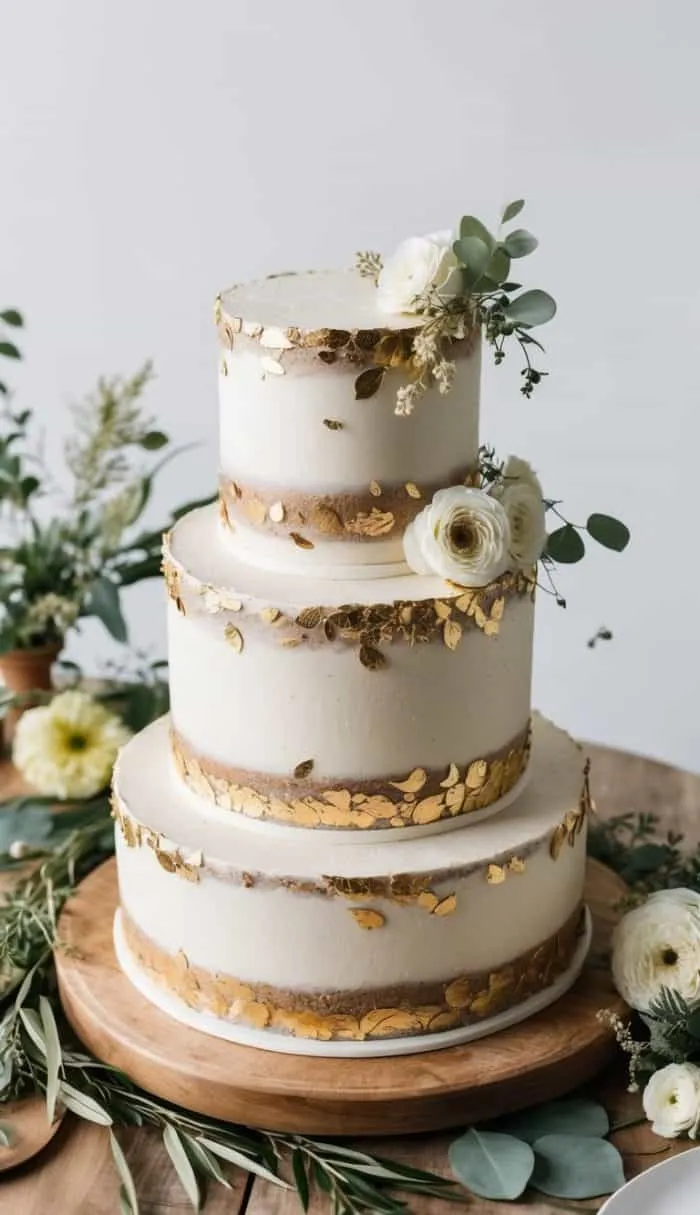
Photo: rustic textured buttercream cake semi-naked layers hand decorated, via thenymelrosefamily.com
There's a cake sitting in my refrigerator right now that would have made me cringe three years ago. The buttercream has visible spatula strokes. One edge is thicker than the other. A few crumbs from the chocolate layers are ghosting through the finish like freckles. And honestly? It's the best-looking cake I've made all year.
If you've spent any time scrolling through baking content lately, you've probably noticed the same shift. The era of the mirror glaze — that shatteringly smooth, reflective shell that dominated the mid-2010s — is quietly giving way to something warmer. Textured swoops. Naked layers with filling peeking through. Hand-painted brushstrokes that look more like weathered stonework than porcelain.
Call it the frosting ceiling finally cracking — and bakers are thrilled about it.
The Backlash Nobody Planned
Talk to home decorators and a theme emerges fast: exhaustion. Achieving a flawless finish takes hours, specialized tools, and a level of humidity control most American kitchens simply don't have. "I spent an entire Saturday smoothing buttercream with a heated bench scraper, and by the time I finished, the cake had absorbed so much condensation the whole thing sweated," says Dana Whitfield, a home baker in Columbus, Ohio. "I stopped chasing perfect and started chasing delicious."
There's also a cultural undertow here. The same energy that made sourdough starters a pandemic companion — the idea that baking should be tactile and human — has extended to how we finish our bakes. A cake with visible knife marks tells you a person made it. A mirror glaze tells you a person endured it.
Even commercial decorators are leaning in. Bakeries from Portland to Asheville are advertising "rustic buttercream" as a selling point rather than an apology, and wedding couples are requesting semi-naked cakes with exposed filling lines that would've been considered unfinished a decade ago.
What "Imperfect" Actually Requires
Here's the secret nobody mentions: forgiving decorating still requires fundamentals. You can't texture what hasn't been filled properly, and an exposed crumb-coat only looks charming if the layers inside are level. The wabi-sabi look is less about skipping steps and more about choosing where to spend your effort — structure over surface.
That's actually great news for beginners. These three techniques deliver a finished, intentional-looking cake while quietly forgiving every wobble along the way.
1. The Rustic Swoop
Frost your cake as usual — no need for a perfectly smooth crumb coat, just an even one. Then, using an offset spatula or the back of a spoon, press gently into the buttercream and drag upward in short, overlapping strokes. Vary your pressure. Rotate the turntable as you go. The goal is visible movement, not symmetry. If a section looks lopsided, add more swoops. There is no wrong direction here, which is exactly why it's the first technique I teach.
2. The Semi-Naked Fill
Level your layers, stack them with a generous filling (a sturdy buttercream or stabilized whipped cream works best), and apply the thinnest possible coat of frosting on the sides — just enough to seal in crumbs. Chill for 20 minutes, then serve with the filling lines showing. The trick is using a filling that contrasts in color: strawberry jam against vanilla sponge, or dark chocolate ganache against yellow cake. Contrast makes "barely frosted" read as deliberate.
3. Painted Stonework
Once your cake is crumb-coated and chilled, mix a small amount of gel food coloring with a drop of clear extract or vodka to make an edible "paint." Using a dry pastry brush, dab and drag the pigment across the chilled frosting in irregular patches, layering two or three shades of the same color family. The result looks like hand-thrown pottery or weathered stone — and because you're building texture in layers, every mistake becomes part of the pattern.
Permission, Granted
If you take one thing from this trend, let it be this: the gap between a cake that photographs flawlessly and a cake that people actually want to eat is wider than Instagram suggests. The swoops, the exposed layers, the brushstroke texture — they're not shortcuts. They're an argument that the hand of the baker belongs on the cake.
So the next time your buttercream won't smooth out, put down the bench scraper and pick up a spoon. Make some swoops. Let the filling show. Your cake doesn't need to be flawless.
It needs to be finished — and fed to someone you like.