Meet the New Millers: A Road Map to America's Small-Batch Flour Revival
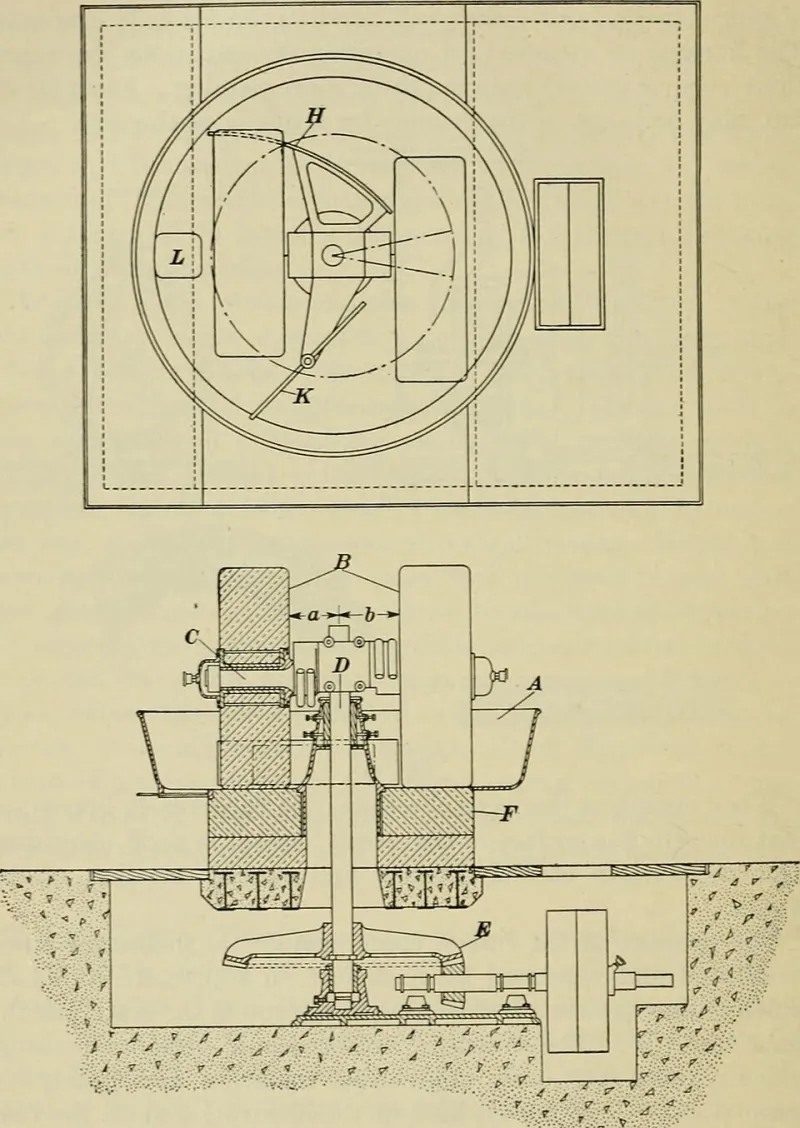
Photo: Internet Archive Book Images, No restrictions, via Wikimedia Commons
Somewhere between the sourdough renaissance and the local food boom, flour got interesting again. Drive through rural Vermont, upstate New York, or the wheat country of eastern Washington and you'll find small stone mills running again — many of them revived by bakers who got tired of flour that tasted like nothing.
If you've only ever baked with supermarket all-purpose, your first loaf with freshly milled heirloom flour is a small revelation. It smells like a hayfield. It tastes like something. But it also behaves differently, and that's where most home bakers get tripped up. Consider this your field guide.
Why Fresh-Milled Flour Isn't Just "Fancier" Flour
Industrial flour is a processed product: the wheat berry's bran and germ are stripped away, the flour is sifted fine, and it can sit in a warehouse for months. That's why it's shelf-stable — and why it's so neutral in flavor.
Stone-milled flour, especially whole-grain or high-extraction, keeps the germ and some bran. That means:
- More flavor. Nutty, sweet, sometimes faintly floral, depending on the grain variety.
- More thirst. Bran acts like a sponge, so doughs made with fresh flour need extra water — often 5–10% more hydration than a recipe calls for.
- A shorter shelf life. The germ's oils go rancid within a few months. Buy small, store cool, use fast.
- Weaker gluten, usually. Heritage grains like einkorn and Red Fife have less elastic gluten than modern bread wheat, so expect stickier doughs and gentler rises.
None of this is bad. It just means flour is now an ingredient you choose, like chocolate or butter, instead of a constant.
A Few Mills Worth Knowing
The small-milling scene is genuinely regional, and that's part of the fun — the flour tastes like where it grew.
- Northeast: Mills in Vermont and New York are leading the heirloom charge with grains like Red Fife and einkorn, plus rye that puts supermarket rye flour to shame.
- Midwest and Plains: The heart of wheat country has seen new mills specializing in hard red winter wheat and ancient grains like spelt and Kamut, often organic and traceable to a single farm.
- Southeast: A revival of Southern heritage grains — including heirloom corn and soft red wheat — is powering everything from biscuits to grits.
- West Coast and Pacific Northwest: A strong community of mills working with climate-adapted wheat varieties and direct farmer relationships.
You don't need to memorize names. The move is simpler: check the label for a mill location and a milling date. If the bag tells you when it was milled and who grew it, you're dealing with someone who cares.
Five Recipes, Five Grains
Here's the part you actually came for — what to bake, and with what.
1. Sourdough country loaf → hard red wheat (high-extraction). This is the friendliest entry point. A high-extraction hard wheat behaves a lot like bread flour but with twice the flavor. Add 5% extra water to your usual recipe and expect a deeper, toastier crumb.
2. Buttermilk biscuits → soft red wheat. Lower protein means tender, not tough — perfect for the flaky, Southern-style biscuit. Blend it half-and-half with all-purpose if you're nervous.
3. Rye sandwich bread → fresh dark rye. Supermarket rye is nearly white; stone-milled dark rye is a different species. Use it at 30–40% of the flour weight in a loaf with caraway, and brace yourself for actual rye flavor.
4. Chocolate chip cookies → spelt. Spelt's nuttiness is a quiet marvel against brown butter and dark chocolate. Swap it 1:1 for all-purpose, add a tablespoon of water, and underbake slightly — spelt cookies stay tender.
5. Skillet cornbread → stone-milled heirloom corn. Not flour, not a wheat — but this is where small milling shines most dramatically. Freshly milled heirloom cornmeal tastes like corn instead of cardboard, and it needs no convincing to make you never buy the blue can again.
You Don't Need a Grain Mill
A common misconception: that going local means grinding your own. Plenty of small mills sell retail online and ship nationwide, and many natural grocers and co-ops now stock regional flour. Start with one bag — a high-extraction bread flour is the most forgiving — and bake your usual recipe with a little extra water.
Then taste it. That's the whole pitch, really. Flour used to be a commodity; now it's a choice, and like every good choice in the kitchen, it starts with paying attention. One loaf at a time.