From Kitchen Table to First Paying Customer: A Home Baker's Launch Guide
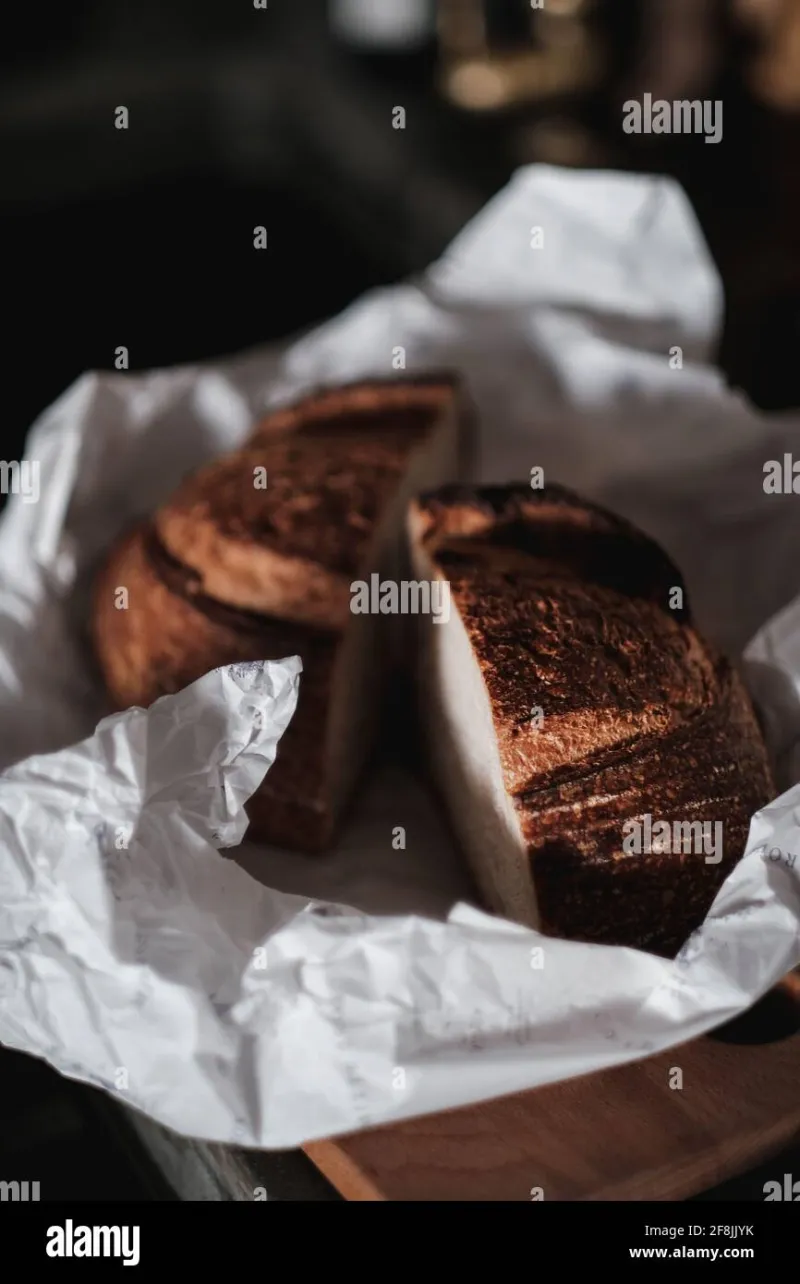
Photo: home baker wrapping artisan sourdough bread loaf in kraft paper on kitchen counter, via c8.alamy.com
The Order That Starts It All
It usually happens the same way. A coworker tries your sourdough at a potluck, texts you two weeks later — "Would you sell me two loaves for my book club?" — and suddenly you're staring at your phone wondering if you need a business license, a LLC, and a panic attack.
Take a breath. Thousands of American home bakers have walked this path, and the route is well marked. Here's how to get from that first text to your first paid order, legally and profitably.
Step One: Learn Your State's Cottage Food Rules
Most states regulate home food sales under what are called cottage food laws, and they vary more than sourdough starters.
- Permissive states like Texas and Florida let you sell a wide range of baked goods directly to consumers without a permit, often with an annual sales cap.
- Moderate states may require registration, a food handler's card, or labeling with your name and a disclaimer.
- Restrictive states limit you to a short list of "non-potentially hazardous" foods — think cookies, breads, and fruit pies, but not custards or cheesecakes.
Look up "[your state] cottage food law" on your state health department's website — it's usually a short, readable page. Note what you can sell, where you can sell it (farmers markets? online? shipped across state lines? — usually no on shipping), and your revenue cap if there is one.
Quick checklist before your first sale:
- Confirm your state allows your product
- Get a food handler's certificate if required (often $10–$20 online)
- Label packages with your name, ingredients, and allergens
- Keep sales in-state and direct-to-consumer unless you've done your research
Step Two: Price Like You Mean It
The number one mistake new bakers make is charging "what feels fair." Feelings don't buy vanilla beans. Do the math:
Sample cost breakdown — one loaf of sourdough:
- Flour, salt, water: $1.10
- Starter overhead and electricity: $0.40
- Packaging (paper bag, label): $0.50
- Total cost per loaf: about $2.00
Now the part everyone forgets: your labor. Even at a modest $20/hour, the hands-on time (mixing, folds, shaping, packaging — call it an hour of active work per loaf when you account for baking days) means a $6 loaf barely clears minimum wage after costs.
A fair starting price for an artisan loaf in most US markets is $8–$12. Artisan cookies typically run $3–$5 each or $24–$36 per dozen. If neighbors balk, they're not your customers — and that's fine.
Step Three: Sell Simple, Sell Local
You don't need a website with a shopping cart on day one. You need:
- One signature product. Not twelve. One thing you make better than anyone in your zip code.
- A simple order method. A Google Form, an Instagram DM, or a text thread works. Collect name, pickup date, and quantity.
- One pickup point. Your porch, a farmers market booth, or local delivery. Set clear pickup windows so you're not a 24-hour bakery.
- Honest packaging. A kraft paper bag, a handwritten label, a sticker with your kitchen's name. Boutique doesn't mean expensive — it means intentional.
Step Four: Protect the Joy
One veteran farmers-market baker told us something we think about constantly: "The moment I stopped baking everything for everyone, my business got better and my Sundays came back." Limit your order slots. Raise prices when demand fills up. And never let the hobby that fed your soul become a job that feeds nobody.
That first paid loaf will earn you maybe ten dollars. What it actually gives you is proof — that your kitchen can feed your community, and maybe someday, you.