Why the Smartest Bakers in America Are Baking Less
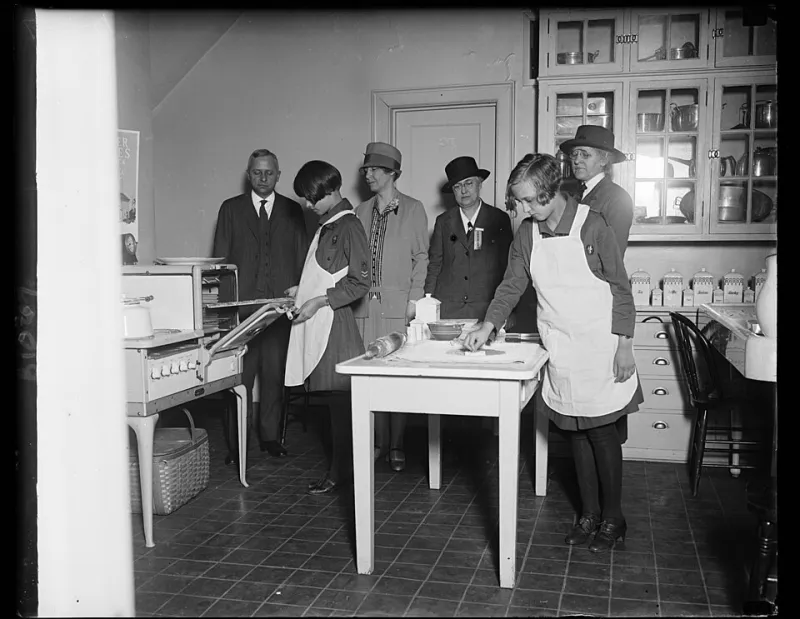
Photo: Harris & Ewing, photographer, Public domain, via Wikimedia Commons
There's a particular kind of confidence that comes from baking six cookies instead of sixty. You taste every batch. You notice the way the dough feels on a humid Tuesday versus a dry Thursday. You have the luxury of caring.
That's the quiet math behind the small-batch movement sweeping through home kitchens and micro-bakeries across the country — from Portland pop-ups to Atlanta weekend drops. Fewer units, higher intention, and, surprisingly, better economics than most people expect.
Six Cookies Tell You More Than Six Dozen
When you scale a recipe down, you can't hide behind volume. A shortcut that disappears inside a 24-count tray becomes obvious in a four-count. So small-batch bakers tend to become better bakers, faster, because every single cookie carries the full weight of your attention.
The mechanics of scaling down are simple, but they matter:
- Weigh everything. Volume measurements fall apart at small quantities. Half a tablespoon of baking powder is a coin flip; 7 grams is a fact.
- Downsize, don't just divide. A half batch of dough in a full-size stand mixer won't develop properly. Use a hand mixer or your hands.
- Watch the bake time like a hawk. Smaller batches often mean thinner heat mass in the oven. Pull two minutes earlier than the big-batch instinct tells you.
- Adjust leavening gently. Baking soda and powder don't always scale linearly — when in doubt, round slightly down.
Think of a scaled-down recipe as a translation, not a subtraction. You're not making less of the original. You're writing the same story in a smaller font.
The Economics of Enough
Here's where it gets interesting for anyone dreaming of a cottage bakery. Small batches let you price for craft instead of competing on volume.
A dozen cookies at $4 each feels steep at the grocery store. Four cookies at $14 in a beautifully packaged box, sold as a limited Friday drop? That's a treat, an event, a gift. Scarcity does the marketing for you — and your ingredient cost per unit barely changes.
The bakers winning at this share a pattern:
- One product, done exceptionally. Not a menu. A signature.
- A predictable rhythm. Weekly or biweekly drops train your customers like a farmers market schedule.
- Honest pricing. Cost your ingredients, your time, your packaging, then add margin without flinching. If the price scares you, the batch size is wrong — not the price.
- Sell out on purpose. An empty case at 2 p.m. is a better advertisement than a full one at closing.
Start Small, Literally
This weekend, take your most trusted recipe and cut it to a quarter. Bake it for yourself and three people whose opinions you trust. Take notes. Adjust one thing. Then bake it again.
That loop — small batch, real feedback, one tweak — is how every great bakery recipe was born. The big success stories didn't start with a million units. They started with a second batch that was better than the first.
Your second best batch might just be the beginning. Bake it small enough to care.