Neither Sweet nor Salty: Twelve Bakes That Live Happily on the Fence
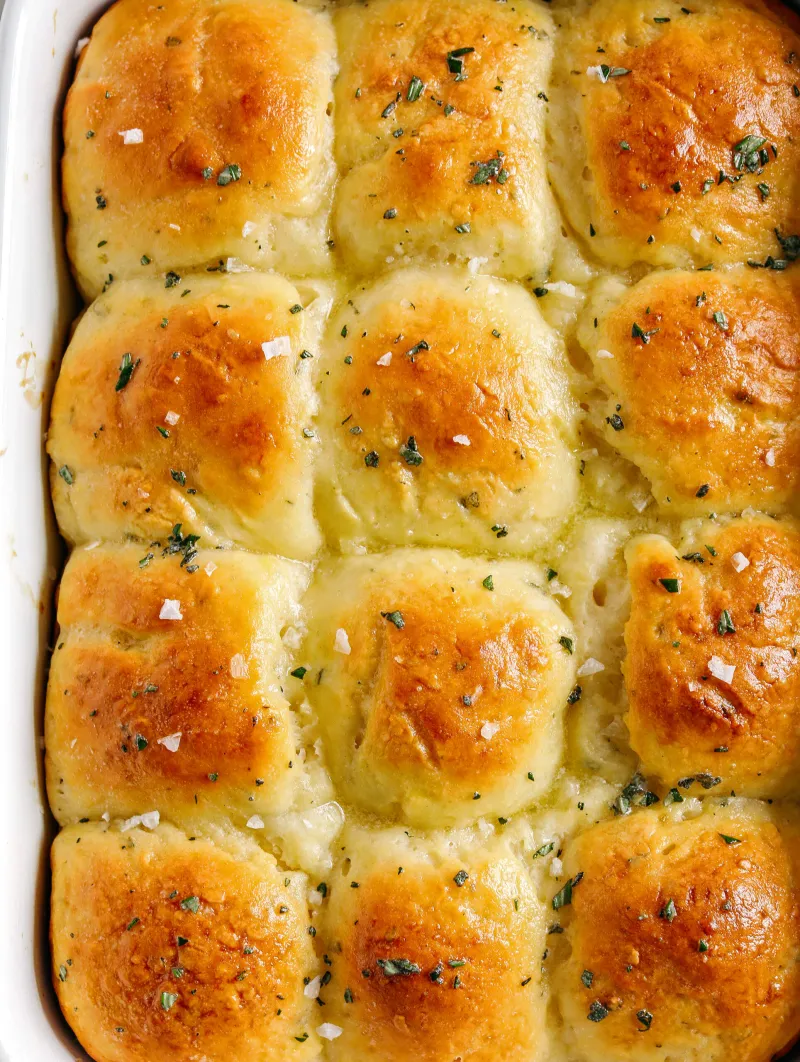
Photo: rustic blondies and herb dinner rolls on wooden table with honey and miso jar, via www.sizzlefy.com
We named this studio after the two ingredients that matter most, and we meant it literally. Salt and sugar aren't opponents in a recipe — they're bandmates. Sugar carries the melody; salt keeps the rhythm section honest. When one of them goes missing from the mix, you hear it immediately.
So we raided the pantry, pulled out every jar and bottle that blurs the line between the baking aisle and the spice rack, and came up with twelve bakes that refuse to choose a side. Some lean sweet. Some lean savory. All of them are better for the tension.
The Pantry Bridge-Builders
Before the recipes, meet the ingredients doing the diplomatic work. Each one carries salt, sugar, fat, or umami in a form that dissolves the border entirely:
- Miso — salty, funky, and shockingly good with brown sugar
- Soy sauce — the umami shortcut hiding in your fridge door
- Olive oil — grassy, peppery, and wonderful in cakes
- Fresh rosemary or thyme — resinous herbs that love honey
- Parmesan — brothy, crystalline salt with a sweetness of its own
- Buttermilk — tang that reads as both savory and bright
- Maple syrup — woodsy sweetness with enough mineral edge to handle salt
- Cornmeal — a grain that's never fully decided what meal it belongs to
Twelve Bakes That Straddle the Line
1. Miso Butterscotch Blondies. Whisk three tablespoons of white miso into your melted butter before the brown sugar goes in. The blondie tastes deeper, almost like toffee that studied abroad. Finish with flaky salt — yes, on top of miso. Trust us.
2. Rosemary-Honey Dinner Rolls. Chop two tablespoons of fresh rosemary into the dough and brush the warm rolls with honey cut with a pinch of sea salt. They belong next to Sunday roast and beside your coffee the next morning.
3. Parmesan Black-Pepper Crackers. Essentially a savory shortbread: flour, butter, a cup of grated Parm, cracked pepper, and just a teaspoon of honey to keep the edges from tasting flat.
4. Olive Oil Cake with Thyme and Lemon. A Mediterranean grocery-store classic. Use a fruity olive oil, fold in thyme leaves, and don't skip the lemon glaze — the acid is what makes the herb sing.
5. Soy Sauce Chocolate Chip Cookies. Swap one teaspoon of the salt for a teaspoon of soy sauce in your favorite chocolate chip dough. Nobody will guess the secret. Everybody will ask for the recipe.
6. Cornmeal Maple Skillet Cornbread. Half of the sugar in a standard recipe, real maple syrup instead, and an extra pinch of salt in the batter. Baked in cast iron, it walks the line between breakfast and side dish.
7. Buttermilk Herb Biscuits. Black pepper, chives, and a full teaspoon of sugar in the dough. The sugar doesn't make them sweet — it makes them taste more like biscuits.
8. Salted Maple Pecan Pie Bars. All the nostalgia of pie, none of the rolling. Toast the pecans, use dark maple syrup, and salt the crust itself, not just the top.
9. Fig, Blue Cheese, and Honey Galette. Store-bought puff pastry is fine here — we're a no-judgment studio. The figs bring the sugar, the cheese brings the salt, and honey ties the knot.
10. Za'atar Focaccia with Grapes. An Italian-inspired combination that sounds odd until the first bite: blistered grapes collapse into jammy pockets across a herby, oiled focaccia.
11. Tahini Honey Banana Bread. Replace half the butter with tahini and swirl honey-sesame through the top. Nutty, savory undertones under familiar banana warmth.
12. Brown Butter Sage Granola. Not dessert, not snack mix — somewhere in between. Brown the butter, fry the sage in it, then toss with oats, a modest drizzle of maple, and a generous pinch of salt.
A Template for Building Balance Into Any Bake
You don't need our twelve recipes. You need a ratio, and you need to taste as you go. Here's the loose framework we use when developing anything that lives on the fence:
- Pick your base — a dough, batter, or crumble you already know cold.
- Add one savory bridge ingredient at about 1–3% of the flour weight (miso, cheese, soy sauce, fresh herbs).
- Keep the sugar, but drop it by a quarter. The bridge ingredient will make the remaining sugar taste louder than it is.
- Salt the components, not just the surface. Salt in the dough distributes; salt on top decorates. You want both, in that order.
- Add an acid or a bitter note — citrus zest, buttermilk, toasted nuts — to keep the sweet-savory tension from collapsing into cloying.
- Rest, then taste. Flavors marry overnight. A blondie that tasted merely good on Tuesday tastes intentional on Wednesday.
The Point of the Fence
The sweet-savory divide is a marketing fiction, mostly. Your grandmother's buttermilk biscuits and your favorite salted caramel both live in the same pantry, use the same butter, and answer to the same two ingredients. Once you start baking with the whole shelf instead of half of it, you stop asking whether a bake is sweet or salty — and start asking whether it's balanced.
That's the whole philosophy, really. Salt and sugar, one pinch at a time.