Proofing in the Dark: Confessions of a Night-Shift Baker
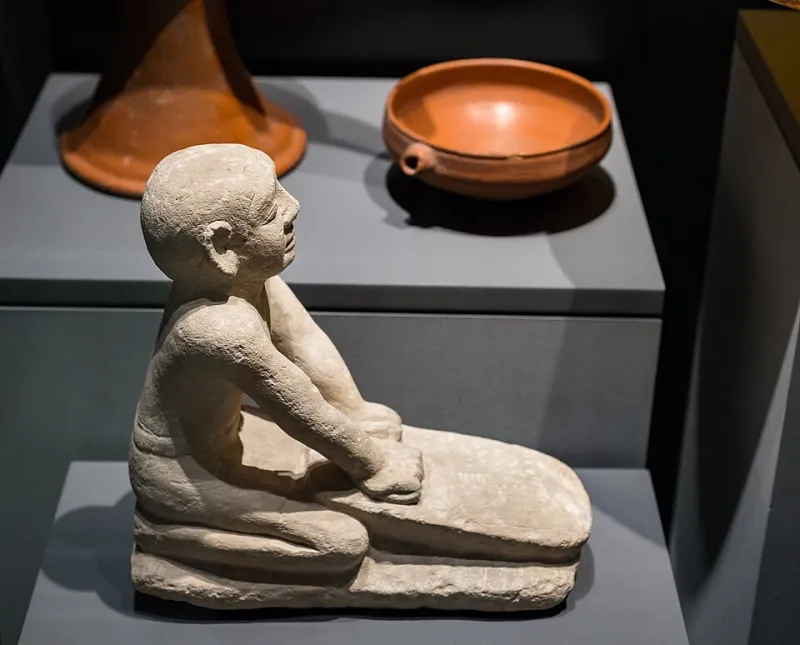
Photo: ArchaiOptix, CC BY-SA 4.0, via Wikimedia Commons
There's a particular kind of quiet at 3 a.m. that you can't find anywhere else. Not the quiet of an empty house at midnight — that one still hums with the day's leftovers, the dishwasher finishing its cycle, a neighbor's TV murmuring through the wall. I mean the deep quiet, the one that settles in around the third hour after midnight, when even the delivery trucks have given up and the streetlights seem to dim out of boredom.
I've spent ten nights in that quiet with nothing but flour, butter, and a kitchen scale. And I've come out the other side convinced that overnight baking isn't a scheduling hack. It's a different craft entirely.
Why I Started Baking While the World Slept
It began out of necessity, like most good habits. I'd signed up to sell croissants at my local farmers market — the one in the church parking lot on Saturdays, where the good vendors show up at 6 a.m. sharp. Croissants, as anyone who's laminated dough knows, do not negotiate. The butter has to stay cold, the folds have to rest, and the final proof takes hours. Do the math backward from a 5 a.m. departure and you land somewhere around 10 p.m. the night before, standing in your kitchen in fuzzy socks, wondering how you got here.
So I leaned in. Instead of fighting the schedule, I restructured everything around it: mix in the evening, laminate through the late night, shape around 2 a.m., and let the dough do its slow, cold work while I dozed in a chair by the oven.
What I didn't expect was how much those hours would change how I bake — and how I think.
The Slow Rise Is Not a Myth
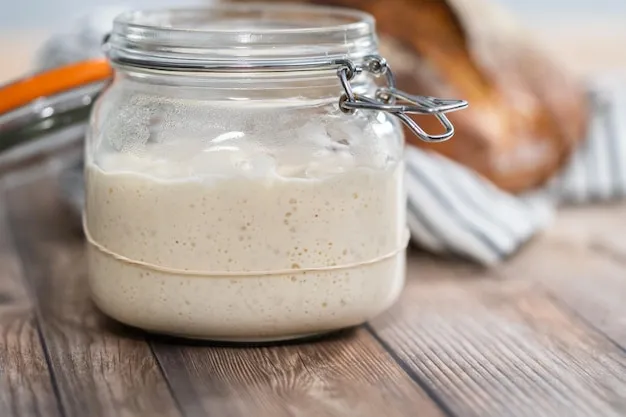
Let's talk science for a second, because the overnight rise isn't just romantic folklore. When dough ferments slowly in a cool environment — your fridge at 38°F, or a chilly kitchen at 60°F — a few genuinely important things happen.
First, flavor. Yeast produces a whole cast of aromatic compounds as it feeds, and a long, cold ferment gives them time to develop in layers. A cinnamon roll proofed overnight tastes deeper, tangier, more complex than its same-day cousin. It's the difference between a quick hello and a long conversation.
Second, structure. Cold dough is easier to handle. Butter stays solid where it belongs — in distinct, flaky layers — instead of melting into the flour. Gluten relaxes during the long rest, which means less shrinkage, better oven spring, and crumb that's open and tender instead of tight and tough.
Third, predictability. Counterintuitive, I know. But a slow ferment is a forgiving ferment. A same-day dough punishes every delay; an overnight dough barely notices one. You gain hours of buffer, not minutes.
The Monastery Hours
Here's what nobody tells you about baking at night: it strips away everything performative about cooking. No one's watching. There are no photos to stage, no dinner guests to impress. It's just you, a rolling pin, and the metronome of your own process.
By my fourth overnight session, I noticed I'd stopped checking my phone. There's nothing to check at 1 a.m. except, apparently, how your lamination is coming along. I started noticing things I'd rushed past in daylight baking: how the dough's surface shifts from matte to slightly glossy as it proofs, how the butter block gives a faint, papery crackle when it's at the right temperature to fold, how the house smells different at each stage — sweet and raw early on, yeasty and warm by the end.
I've heard marathon runners describe a similar thing, and monks too, I imagine. Repetition plus stillness equals clarity. Knead, rest, fold, rest, shape, wait. The rhythm does something to your brain that no podcast can replicate.
Practical Wisdom for Your First Overnight Bake
If you want to try this — and you should, even once — here's what ten sessions taught me:
- Proof of proofing. Use the poke test, not the clock. Gently press a floured finger into the dough. If it springs back slowly and leaves a shallow dent, it's ready. If it springs back fast, wait. If it deflates, you've waited too long — bake it anyway and learn.
- Cold is your co-pilot. Everything works better chilled: dough, butter, your rolling surface, even the marble slab if you have one. Warm kitchens are the enemy of lamination.
- Write your timeline backward. Start from when you want to eat, subtract bake time, proof time, shaping, and resting. Then add ninety minutes, because something always takes longer at night.
- Light matters more than you think. A headlamp sounds ridiculous until you're trying to read a recipe at 2 a.m. without waking the whole house. Get one. Also a small clip-on lamp for your work surface.
- Keep notes. Overnight baking blurs together. A cheap notebook by the mixer — what time you mixed, how the dough felt, what the kitchen temperature was — becomes your most valuable recipe over time.
- Plan a nap. Seriously. Don't schedule anything for the morning after your first overnight. Your future self will thank you.
What the Nights Taught Me
Ten sessions in, I've made peace with the fact that most of baking is waiting, and that the waiting isn't the boring part — it's the baking. The active work takes forty minutes. The dough does the rest. Learning to trust that, to stop poking and prodding and just let the yeast work, turned out to be the hardest and most useful skill I've picked up in years.
It's also bled into everything else. I plan projects differently now. I'm slower to intervene, quicker to observe. Turns out a cinnamon roll and a good idea have this in common: you can't rush the rise, and fussing only deflates them.
So if you've ever considered baking through the dark hours — do it once. Put a pot of coffee on, laminate a batch of croissant dough, and watch the sky go from black to navy to that thin gray that means the first cars are starting down your street. Pull the rolls out of the oven as the light comes up.
There are worse ways to learn patience. Most of them don't come with frosting.