That Bottle on Top of the Fridge? It Belongs in Your Flour Canister
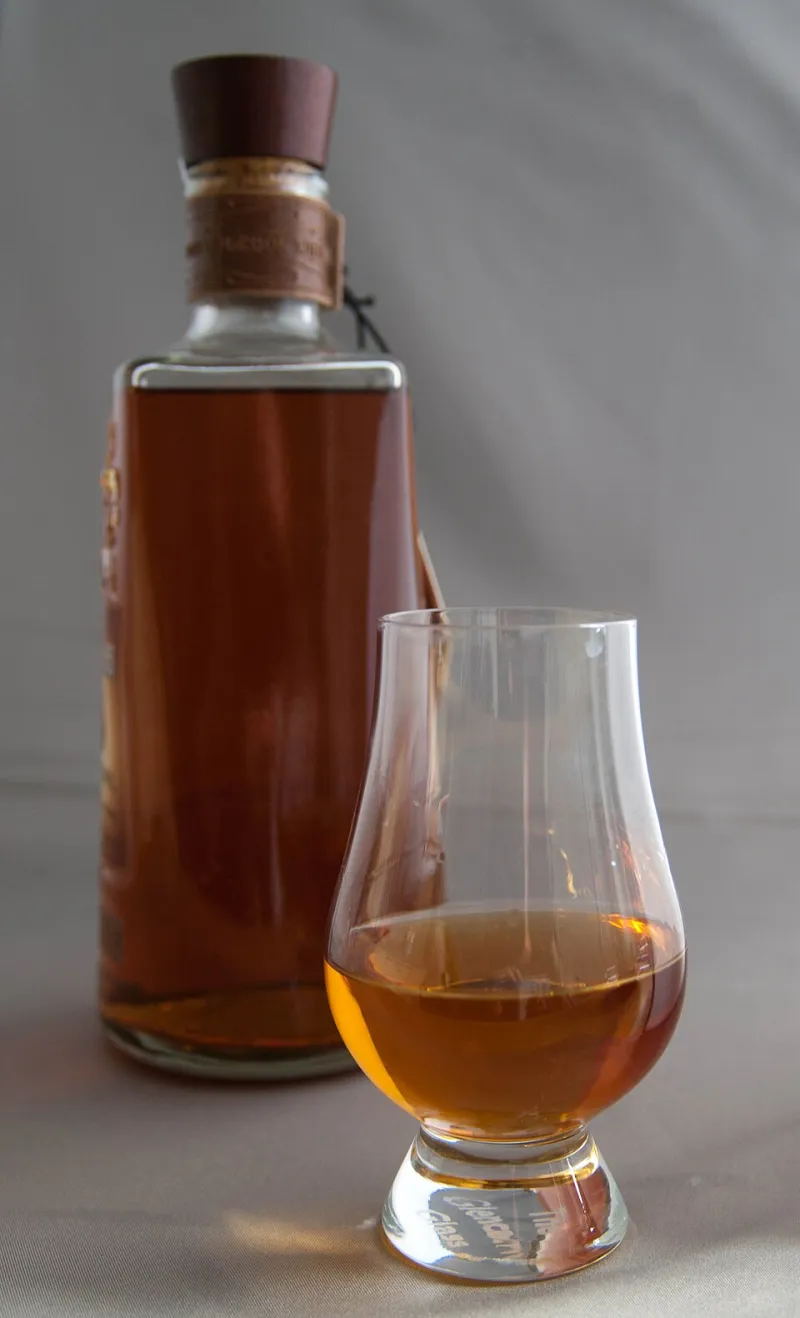
Photo: Dirk Ingo Franke, CC BY-SA 4.0, via Wikimedia Commons
Every kitchen has one. The bottle of bourbon bought for a punch recipe in 2019. The half-empty Merlot from book club. That stout someone left after a game night. They sit up there on top of the fridge like tiny, boozy fire extinguishers — present, but never touched.
Here's my argument for bringing them down: alcohol might be the most underused ingredient in the American home baking pantry. Not as a novelty, not as a gimmick, but as a flavor carrier that does things vanilla and citrus zest simply can't.
First, the Science: Does the Alcohol Actually Survive?
The old cooking-class line goes that alcohol "bakes off completely." That's not quite true. The USDA's nutrient retention data shows that even after an hour of baking, a dish can retain a meaningful fraction of its original alcohol. In a cake — a moist, dense environment where liquid is trapped in crumb — the evaporation is slower than in, say, a thin pan sauce.
But here's the part that matters more: you don't bake with alcohol to get drunk, and you don't lose the flavor even when most of the ethanol goes. Ethanol is a phenomenal solvent for aroma compounds. It pulls flavors out of vanilla beans, cocoa, dried fruit, and citrus peel, then delivers them into your batter in a way water can't. What survives the oven isn't the burn — it's the bouquet. A bourbon caramel tastes rounder, nuttier, warmer than one made with water, even after a full boil.
So think of alcohol less as an ingredient and more as a flavor courier.
The Pairing Rules I've Landed On
After a winter of very delicious trial and error, my working guide looks like this:
- Bourbon and rye love caramel, pecans, chocolate, and anything with brown butter. The vanillin and oak notes in barrel-aged spirits are basically brown sugar's cousins.
- Red wine belongs with chocolate and dark fruit — think cherries, figs, blackberries. A red wine chocolate cake is a classic for a reason: the wine's tannins deepen the cocoa instead of fighting it.
- Dark beer (stout, porter) is coffee's understudy. It goes in chocolate cakes, gingerbread, and rye breads where you want malt and bitterness without sweetness.
- Light lagers and pilsners are the beer bread workhorses. The carbonation and mild malt make an impossibly tender quick bread — this is the brewpub trick, and it takes four ingredients.
- Rum and brandy are for soaking. Dried fruit, babka syrup, tres leches territory. Their sweetness blooms in things that get drenched after baking.
The one rule I've broken and regretted: adding hard liquor straight to a delicate batter. Anything over about two tablespoons of high-proof spirit can toughen gluten and taste raw. Cut it with something — soak fruit in it, reduce it into a syrup, or stir it into a warm caramel where the heat does the mellowing.
Five Bakes Worth the Bottle
1. Bourbon-Pecan Caramel Rolls. Make a standard caramel, kill the heat, and add a tablespoon of bourbon off the flame. Pour over pecans in the pan, then add your dough. The alcohol flashes off in the oven; the oak and vanilla stay.
2. Red Wine Chocolate Loaf. Swap a third of the milk in your favorite chocolate cake for a dry red. Cabernet or a Merlot works — you don't need anything fancy, since the subtleties disappear into the cocoa. The crumb comes out almost purple-black and stays moist for days.
3. Four-Ingredient Lager Bread. One bottle of room-temperature beer, three cups of self-rising flour, two tablespoons of sugar, a pinch of salt. Stir, pour into a buttered loaf pan, brush the top with melted butter, bake at 375°F for about 45 minutes. It tastes like the bread basket at a brewpub and requires zero skill.
4. Stout Gingerbread. Replace the hot water or coffee in your gingerbread with warmed stout. The roasty bitterness plays beautifully against molasses and black pepper. Bonus: it's even better the second day.
5. Rum-Soaked Fruit Scones. Toss a cup of dried cherries and golden raisins with two tablespoons of dark rum and microwave for 30 seconds. Let them sit while you make the dough. The fruit turns plump and jammy, and the rum reads as warmth, not booze.
A Note on How Much, and Who's Eating
For most bakes, one to three tablespoons is the sweet spot — enough for flavor, not enough to change structure. And because trace alcohol can survive baking, keep the audience in mind: I keep my boozy bakes for adult gatherings, or I make a version with the spirit swapped for juice or coffee. Nobody at the potluck has ever noticed the difference in the beer bread, for what it's worth.
The Shelf Next to the Flour
I've stopped hiding the bottles. There's a bourbon, a cooking-grade red, and a stout living beside the flour canisters now, and they get used constantly — a splash here, a soak there. It's the same philosophy behind everything we do at Salt & Sugar Studio: good ingredients, used honestly, in small amounts that add up to something memorable.
Go check the top of your fridge. Your next bake might be up there.