Six Jars of Cinnamon Walk Into a Snickerdoodle: My Blind Taste Test Verdict
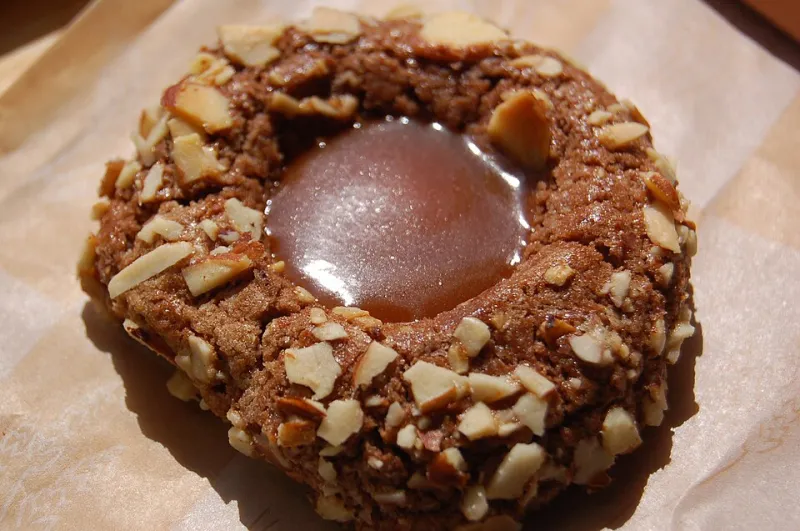
Photo: Ginny from USA, CC BY-SA 2.0, via Wikimedia Commons
There's a jar of cinnamon in my pantry that cost fourteen dollars. There's another that cost a dollar ninety-nine. Until last week, I couldn't have told you which was which — and honestly, that bothered me.
Cinnamon is the quiet workhorse of American baking. It shows up in snickerdoodles, coffee cakes, apple pies, and about 90% of what comes out of a Midwest church basement potluck. And yet most of us buy it on autopilot, grabbing whatever red-labeled jar is at eye level. So I ran an experiment: one snickerdoodle dough, six cinnamons, zero mercy.
The Contenders
First, a quick field guide, because "cinnamon" is actually a family name:
- Cassia (the supermarket default): What most US grocery stores simply call "cinnamon." Bold, spicy, slightly bitter. Grown mostly in Indonesia and China.
- Korintje cassia: The flat-pack variety in most store brands — think of it as cassia's dependable cousin. Mellow, warm, a little woody.
- Saigon cinnamon: The high-octane cassia. Maximum spice-oil content, which translates to a flavor that practically yells.
- Ceylon ("true" cinnamon): Delicate, citrusy, almost floral. The expensive one. The one food magazines won't shut up about.
- Supermarket brand A: Store-brand cassia, $1.99 for 2.3 ounces.
- Supermarket brand B: Name-brand cassia, $4.49 for 2.3 ounces.
The Rules
One dough, made in a single batch, divided into six portions. Each portion got exactly one teaspoon of a different cinnamon — weighed, not scooped, because spice density varies. Cookies baked side by side on the same sheet, cooled for the same twenty minutes, then shuffled and labeled A through F by my very unhelpful but very willing taste-test panel (my neighbor Deb, my brother-in-law Ray, and my teenage niece who was paid in cookies).
Nobody knew which cookie was which. Including me.
The Tasting Notes
Cookie A (Saigon): The room's consensus winner. Ray described it as "cinnamon with the volume turned up." The heat hit first, then a warm sweetness lingered. If you want a snickerdoodle that tastes like a state fair, this is your jar.
Cookie B (Ceylon): The most divisive. Deb loved it — "tastes fancy, like a tea room" — while my niece said it "tasted like a cookie that apologizes too much." The flavor is genuinely lovely: soft, citrus-edged, sophisticated. But it whispered where a snickerdoodle usually shouts.
Cookie C (Korintje): Pleasant, balanced, forgettable. Nobody picked it as their favorite. Nobody disliked it. This is the cinnamon that does its job and goes home at five.
Cookie D (Store brand A, $1.99): Here's the plot twist. This cookie finished second overall. Deb guessed it was a "boutique brand." The flavor was slightly flatter than the premium cassias, but in a dough with brown sugar and a cinnamon-sugar coating, the difference was marginal.
Cookie E (Name brand, $4.49): Noticeably better than store brand A — brighter, spicier — but the panel couldn't justify the gap in a blind setting. Ray's verdict: "It's good. It's not double-the-price good."
Cookie F (Generic cassia, mid-tier): Solid. Slightly bitter finish that Deb flagged as "a little sharp," but it held up fine under a sugar coating.
The Price-Per-Teaspoon Math
A teaspoon of ground cinnamon weighs about 2.6 grams. Here's what each jar actually costs per cookie-batch spoonful:
- Store brand A: about $0.30 per teaspoon
- Name brand: about $0.67 per teaspoon
- Korintje: about $0.75 per teaspoon
- Cassia (generic mid-tier): about $0.55 per teaspoon
- Saigon: about $1.10 per teaspoon
- Ceylon: about $2.05 per teaspoon
The Saigon cinnamon cost roughly 70 cents more per batch than the store brand. The Ceylon cost nearly $1.75 more. For a once-a-year apple pie, sure. For a December cookie marathon turning out forty dozen snickerdoodles? That math adds up to real money.
So Which Cinnamon Belongs on Your Shelf?
Here's my takeaway, and it's less romantic than a $14 spice jar:
- For bold, classic American bakes — snickerdoodles, cinnamon rolls, coffee cake — Saigon cinnamon is worth the upgrade. Its intensity survives baking heat better than anything else I tested.
- For delicate bakes — custards, shortbread, whipped-cream flavorings, anything where the spice plays solo — Ceylon earns its price tag. It's a finishing spice, not a workhorse.
- For everything else, a decent cassia at $2 a jar is genuinely, honestly, scientifically fine. The blind panel proved it.
The real scandal isn't that premium cinnamon exists. It's that we assume expensive automatically means better for our bake. Cinnamon isn't one flavor — it's a range, and matching the spice to the job matters more than matching it to your budget.
My pantry now holds two jars: Saigon for anything that goes in the oven, Ceylon for anything that doesn't. The $14 jar of guilt? Retired. Deb got the rest of the cookies, and she's still talking about Cookie A.
Want to run your own test? One dough, six spoons, some masking tape, and a freezer full of labeled cookies is all it takes. Your spice rack — and your taste buds — will thank you.