Four Butters, One Shortbread: My Cross-Country Taste Test of Craft Cream
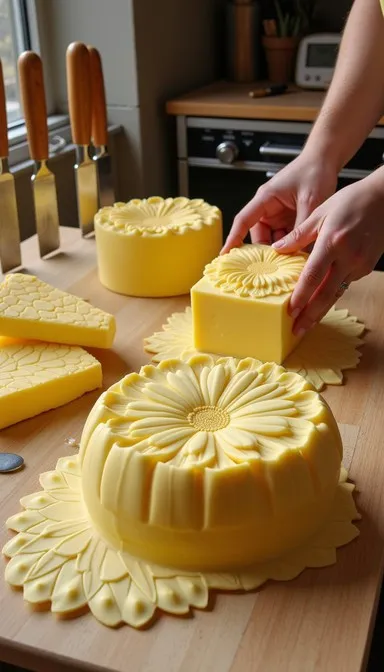
Photo: artisanal craft butter blocks with sea salt on wooden board, via images.stockcake.com
I used to treat butter like a background player. It went into the cart, it went into the bowl, end of story. Then a small dairy booth at my farmers market handed me a sample of their cultured butter on a plain cracker, and I stood there in the middle of a Saturday crowd having something close to a religious experience.
It tasted like the pasture smelled. Grassy, faintly nutty, with a finish I'd normally associate with a good olive oil. I bought two pounds on the spot and immediately started plotting an experiment: could terroir — that sense of place we've long accepted in wine and, more recently, coffee and chocolate — actually survive a 350°F oven?
The Shortbread Test: Same Recipe, Four States
Shortbread is the honest witness of the baking world. Flour, sugar, butter, salt. Nowhere to hide. So I baked one batch each with:
- A cultured butter from Vermont (grass-fed Jersey cow milk, sea salt added)
- A high-fat European-style butter from Wisconsin (82% butterfat, lightly cultured)
- A small-batch butter from the Oregon coast (seasonal, from a single herd)
- A supermarket staple as my control group
I browned nothing, creamed nothing aggressively, and kept every variable identical except the butter. Then I recruited three friends with functioning palates and zero stakes in the outcome.
The verdict? More interesting than I expected.
What Terroir Tastes Like (and What It Doesn't)
The Vermont butter won on aroma before baking — the dough smelled like a hayfield in June. In the finished cookie, that translated to a deeper, almost brothy richness. The Oregon butter was brighter, with a clean sweetness that my friend Des described as "the difference between a farmers market tomato and a grocery store one."
The Wisconsin high-fat butter produced the best texture: crisper edges, a snap that held for days. And the supermarket butter? Perfectly fine. Genuinely. Which is the uncomfortable part of this whole exercise — the gap between craft butter and commodity butter is real, but it's narrower than the price gap suggests.
Here's the science in one paragraph: butter is roughly 80% fat, and the flavor compounds in that fat — including beta-carotene from grass and volatile fatty acids developed during culturing — are what carry terroir. Grass-fed summer milk tastes different from winter silage milk. That difference is real and measurable. But once you dilute it with flour and sugar and bake it, you're amplifying some notes and muting others.
I Called a Farmer Who Started Churning
To understand the movement, I rang up a dairy farmer in upstate New York who pivoted from selling milk to a co-op into small-batch churning a few years back. Her take, paraphrased: "When we sold milk, we were a commodity. When we sell butter, we're selling our zip code."
She walked me through her process — cream rested 24 hours to develop cultures naturally, churned in small batches, hand-packed. Her costs are roughly triple the commodity price, and her margins are thinner than you'd guess from the $14 price tag. "People assume we're getting rich off foodies," she laughed. "We're getting by off foodies."
That reframed the whole splurge question for me. Craft butter isn't a markup scam; it's what dairy costs when nobody's subsidizing scale.
So Is Designer Butter Worth It? A Decision Guide
Worth it:
- Butter-forward bakes: shortbread, pound cake, brioche, croissants, buttercream
- Finishing butters melted over vegetables or bread
- Any bake with five ingredients or fewer
Skip the splurge:
- Chocolate chip cookies buried in mix-ins
- Anything with strong competing flavors (spices, citrus, molasses)
- Cake batters that get drowned in frosting anyway
A practical middle path: keep good supermarket butter for everyday baking, and buy one pound of craft butter a month for the recipes where it gets top billing. That's maybe a $6 monthly upgrade for a noticeable difference — cheaper than most hobby upgrades, and tastier.
How to Shop the Craft Butter Aisle
A few things to look for:
- Butterfat percentage. 82%+ bakes crisper and richer. Some small dairies hit 85%.
- "Cultured" means flavor. Cultured butters have a tangy depth that reads as "more buttery" even at the same fat level.
- Season matters. Spring and summer grass-fed butters are the peak; winter batches are milder.
- Salt is a variable. Salted craft butters vary wildly in salinity. For baking, buy unsalted and control it yourself.
The Verdict From My Kitchen Table
Terroir in butter is real. It survives baking, at least in recipes where butter is the main event. It won't fix a bad recipe, and it won't outshine a dough full of chocolate and brown sugar. But in a plain shortbread, on a piece of toast, in a brown butter sauce — the difference between butter from a specific pasture and butter from a specific spreadsheet is the kind of difference that makes you stop mid-chew.
Start with one pound. Bake one batch of shortbread side by side with your usual stick. Then decide. Your taste buds are the only judge that matters — though fair warning, mine haven't stopped asking for the Vermont batch since.