The $6 Upgrade: How Five Better Ingredients Quietly Transform Everything You Bake
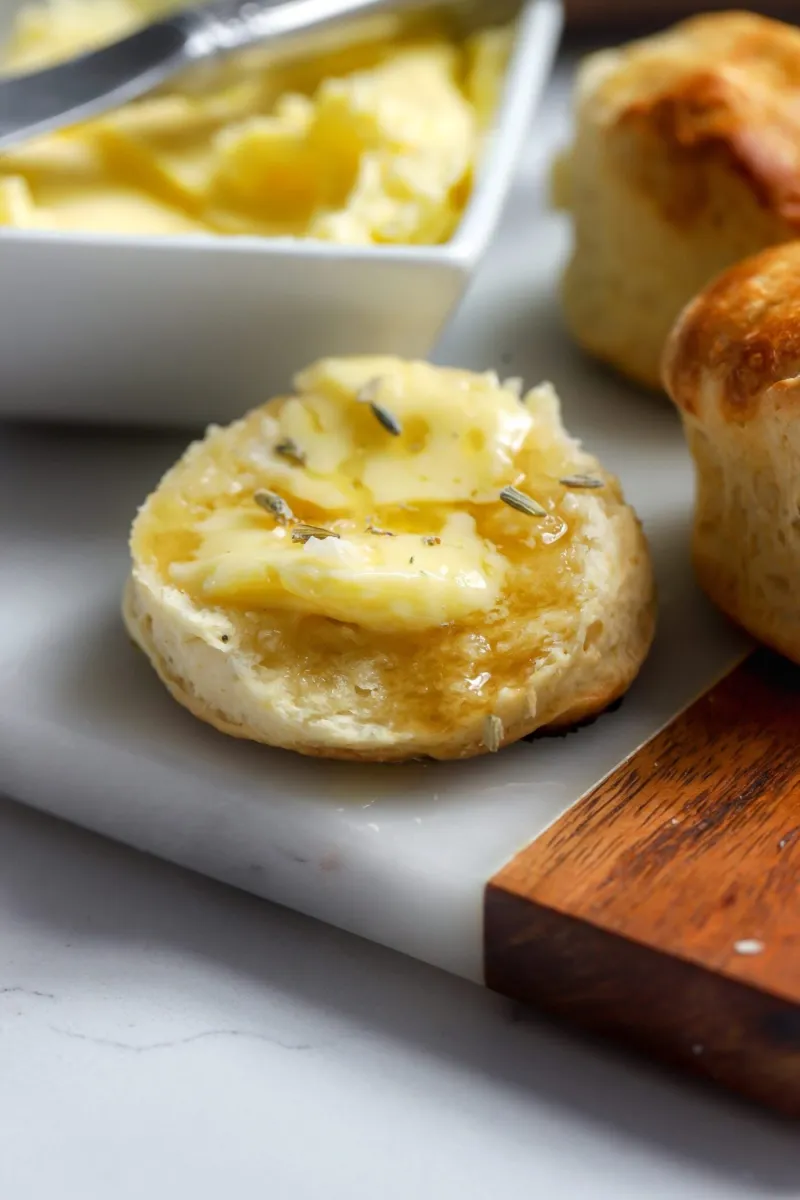
Photo: cultured butter block with flaky sea salt and vanilla bean on wooden board, via foodmymuse.com
Here's a confession from the studio kitchen: for years, our test batches were made with whatever butter was on sale that week. Then one Tuesday, a delivery box arrived with a block of cultured butter from a small Vermont creamery, a plump vanilla bean from Madagascar, and a tin of flaky sea salt from a company run by two sisters in Oregon. We baked two batches of shortbread—one with our everyday staples, one with the fancy stuff—and the studio went quiet.
The fancy batch disappeared first. Not by a little. By a lot.
That afternoon turned into a full-blown pantry investigation, and we're sharing the results—numbers, taste notes, and all—so you can decide where your own baking dollars are best spent.
The Bake Test: Same Recipe, Different Shelf
We kept it deliberately simple: a five-ingredient shortbread (butter, sugar, flour, vanilla, salt) and a classic chocolate chip cookie. Simple recipes are the great equalizers—there's nowhere for a mediocre ingredient to hide.
Each recipe was baked twice in the same oven, on the same day, by the same baker (me, flour in my hair, coffee going cold). Version A used conventional supermarket ingredients. Version B used upgraded versions of all five.
The shortbread results: The cultured butter batch baked up with crispier, lacier edges and a deeper, almost cheese-like richness. Tasters described Version A as "fine" and Version B as "like the shortbread at that bakery I can't afford." One taster asked if we'd added parmesan. We had not.
The cookie results: The single-origin vanilla didn't just add flavor—it deepened the caramel notes of the brown sugar. And the flaky salt on top? That's the one change we'd recommend to literally everyone, immediately, forever.
Where the Money Actually Goes
Let's talk dollars, because "artisanal" has become code for "expensive," and that's not always fair.
- Cultured butter: roughly $4–7 per block vs. $3–5 for standard. For most home recipes, that's a $1–2 difference per bake.
- Single-origin vanilla beans: $8–15 for two or three beans, but a single bean steeped in your own simple syrup or sugar stretches across weeks of baking.
- Flaky sea salt: A $8 tin lasts most home bakers six months or more. You use a pinch, not a cup.
- European-style flour (higher protein): about $1 more per bag.
- Single-origin chocolate: $4–6 per bar vs. $2–3 for chips.
The total upgrade across all five ingredients for a typical weekend bake? About $6 more. Less than a latte and a pastry—which, let's be honest, is exactly what you're trying to stop buying.
The One Ingredient Worth Every Penny: Butter
If you can only change one thing, make it the butter. Cultured butter is churned from cream that's been allowed to ferment slightly, which develops lactic acid and those tangy, complex notes you taste in French pastries. In recipes where butter is the star—shortbread, madeleines, a simple pound cake—the difference isn't subtle. It's the entire personality of the bake.
There's a science reason, too: cultured butter has a slightly higher fat content and lower water content than many standard American butters, which means less steam, less gluten development, and more tenderness. That's Baker's 101 for why your shortbread snaps instead of bends.
Vanilla: Whole Bean vs. Extract vs. Paste
We tested all three in crème-style applications and sugar cookies. Honest verdict? Good extract gets you 85% of the way there. Vanilla paste gets you the pretty bean specks and a rounder flavor. But a whole bean, split and steeped into your sugar for a week, transforms that sugar into a baking ingredient all its own—vanilla sugar, the kind European bakers keep in their pantries as a matter of course.
Our favorite budget move: after scraping a bean for a recipe, bury the pod in a jar of granulated sugar. Two weeks later, you've got vanilla sugar for dusting, whipping into cream, or swapping 1:1 into any cookie dough.
Salt: The Cheapest Miracle in Baking
Here's where we get a little evangelical. If your cookies taste flat, it's probably not your flour, your butter, or your oven. It's your salt.
Table salt is fine for dissolving into batters. But flaky salt—Maldon, Jacobsen, any of the pyramid-shaped finishing salts—does two things table salt can't. First, its larger crystals distribute unevenly, creating little bursts of salinity that make sweetness pop. Second, it stays crunchy, adding texture to the top of brownies, caramels, and chocolate chip cookies fresh from the oven.
Sprinkle it on before baking, not after, so it adheres. And yes, a 99-cent batch of cookies becomes a $4 batch of bakery cookies with one pinch. We've done the math and the taste test.
Shopping Without Getting Robbed
You don't need a specialty store or a subscription box. A few practical tips from our pantry:
- Check the dairy aisle's "fancy" section. Many mainstream grocers now stock cultured or European-style butter from brands like Kerrygold or Plugrá at mainstream prices.
- Buy vanilla beans online, not at the grocery store. Spice shops and online retailers sell them at a fraction of grocery-store markups.
- Skip the "artisanal" label. Read the ingredient list instead. Cultured butter should say "cultured cream" or "cream, lactic acid cultures." That's it.
- Buy salt in tins, not grinders. Flaky salt loses its texture when ground anyway.
The Real Takeaway
Artisanal baking isn't about buying expensive things. It's about understanding why each ingredient matters and spending your limited upgrade budget where it counts. For us, that's butter first, salt second, vanilla third. Flour and sugar upgrades are nice-to-haves, not must-haves.
Start with one batch of shortbread. Two butters, side by side. Taste them warm. Then tell us we're wrong about the cultured butter. We'll wait.